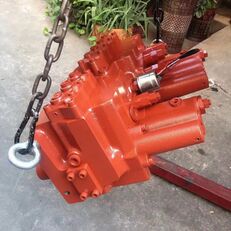
عجلة مشط التبن لـ حفارة متوسطة الحجم Hitachi EX200-1 EX200-2


إذا قررت شراء المعدات بسعر منخفض، فتأكد أنك تتواصل مع البائع الحقيقي. اكتشف أكبر قدر ممكن من المعلومات عن مالك المعدات. تتمثل إحدى طرق الغش في تقديم نفسك كشركة حقيقية. إن ساورك شك، أخبرنا عن ذلك من أجل تشديد الرقابة وذلك من خلال نموذج التعليقات.
قبل أن تقرر القيام بالشراء، احرص على مراجعة العديد من عروض البيع بعناية لفهم متوسط تكلفة المعدات التي اخترتها. إذا كان سعر العرض الذي أعجبك أقل بكثير من عروض مشابهة، ففكر في الأمر بتأنٍ. قد يكون هناك فرق أسعار هائل يشير إلى عيوب مخفية أو أن البائع يحاول ارتكاب أعمال احتيالية.
ابتعد عن شراء المنتجات التي يكون سعرها مختلف بشدة عن متوسط السعر لمعدات مشابهة.
لا توافق على الوعود المثيرة للشكوك والبضائع المدفوعة مسبقًا. إن ساورك شك، فلا تخاف من طلب توضيح التفاصيل وأن تطلب صورًا ومستندات إضافية للمعدات وأن تفحص صحة التصديق على تلك المستندات وتطرح الأسئلة التي تساورك.
أكثر أنواع الاحتيال شيوعًا، قد يطلب البائعون غير المنصفون مبلغًا معينًا كعربون مسبق "لتحجز" حقك في شراء المعدات. وبالتالي يستطيع المحتالون تجميع مبلغًا ضخمًا ثم يختفون ولا تستطيع التواصل معهم بعد ذلك.
- إرسال الدفعة المسبقة إلى البطاقة
- لا تقم بالدفع المسبق بدون مستندات ورقية تؤكد عملية تحويل الأمول إذا ساورك أي شك في البائع خلال التواصل.
- إرسال إلى حساب "الوصي" “Trustee”
- هذا الطلب ينبغي أن يكون بمثابه إنذار فأنت على الأرجح تتواصل مع شخص محتال.
- إرسال إلى حساب الشركة باسم مشابه
- توخّ الحذر، فقد يختفي المحتالون أنفسهم أيضًا خلف شركات معلومة أو يدخلون تغييرات طفيفة على الاسم. لا تحول الأموال إذا ساورك شك في اسم الشركة.
- استبدال البيانات الخاصة في فاتورة شركة حقيقية
- قبل التحويل، تأكد أن البيانات المحددة صحيحة وأنها ترتبط أو لا ترتبط بالشركة المحددة.
معلومات الاتصال بالبائع

 +86 189 289...
+86 189 2896 5241

 الصين


 الصين


 الصين


 الصين


 الصين


 الصين


 الصين
Product Overview
When an EX200‑1 or EX200‑2 needs a hydraulic block, the first option in most markets is a take‑out unit from a breaker machine — cheaper, immediately available, and usually the same age as the one being replaced. That is the trap: a used valve carries the same wear it accumulated in its previous machine, so the "repair" often reproduces the original fault within a season. The alternative is a new assembly, and this listing covers the block for both early generations of the 20‑ton Hitachi, ported and trimmed for boom, arm, bucket, swing and travel flow division.
Wear on these machines presents as softness rather than failure. The boom sags on a held bucket, so loads get re‑spotted. The arm skips at stroke start. Swing lands short. Tracks bog when the bucket is loaded. Those symptoms come from spools and bores worn enough to let oil cross between circuits. This aftermarket hydraulic main valve replaces the assembly complete with fresh internals, so the tired unit comes off in one piece and the replacement fits the original port positions.
Core Advantages
1. Avoids repeating a used part's wear
A take‑out block brings its own history. A new assembly starts with fresh clearances rather than someone else's hours.
2. Two generations covered in one listing
The ‑1 and ‑2 machines share enough of the platform that one matched assembly serves both. We confirm the configuration from your tag and serial.
3. Loads stay where the operator placed them
Drift on a held bucket forces constant lever pressure. Fresh spool pairs keep the bucket steady during inspection.
4. Swing placement becomes reliable
Restored circuit isolation puts the house where the lever stopped it, ending the double‑input habit.
5. Keeps serviceable old machines working
These early EX200s have structure left in them. A tested block is a cheaper decision than replacing a machine that still digs well.
Manufacturing & Quality Control
Spool and bore pairs are machined to suit the original bore sizes, matched, and hand‑run‑in until full‑stroke movement is smooth without binding. Assembled blocks are flow‑tested circuit by circuit with relief values recorded for the early platform; out‑of‑window units are stripped and corrected. Blocks ship internally oil‑fogged, ports capped, and crated on foam.
Frequently Asked Questions
Q1: How do I confirm this fits my EX200‑1 or ‑2 without a part number?
A: Send photos of the existing valve, including port layout and mounting face, plus the machine serial plate. On machines this age the tag is often gone, so we match on configuration.
Q2: Is a used take‑out valve a reasonable cheaper option?
A: Only if you can verify its condition. Most used blocks carry wear similar to the one being replaced, which means the same fault returns. A new assembly removes that risk.
Q3: What symptoms indicate valve wear?
A: Boom drift on held loads, slack at stroke start, inconsistent swing placement, and tracking that reacts to bucket load. A circuit leak test confirms.
Q4: Can my existing block be rebuilt?
A: Possible if the casting is sound, but part availability limits these older units. Send photos and we will say honestly whether a kit exists or replacement is the practical route.
Q5: What hydraulic servicing accompanies installation?
A: Flush the system, renew the return filter, clean the suction strainer, and refill with specified oil. On older machines, hose and fitting condition often needs attention too.
Q6: What is excluded from warranty?
A: Material and assembly faults are covered. Damage from dirty oil, water ingress, a spool forced against a bind, or reliefs altered outside specification is not. Photograph the crate before opening if damage is visible.